Practical Experience Report by Petra Neumann, Wound Expert, Nursing Manager, Haus am Brunnen, Bad Orb, Germany
Patient Data and Medical History:
A 62-year-old female patient presents with a pressure injury over the thoracic spine and the following secondary diagnoses: acute respiratory distress syndrome, chronic renal failure, critical illness polyneuropathy, multiple sclerosis, cerebral seizure disorder, organic brain syndrome, history of alcohol abuse, anemia, and incontinence.
The patient was admitted to the Haus am Brunnen nursing home in Bad Orb, Germany, on December 10, 2019, after being cared for at home by an outpatient nursing service. At the time of admission, the patient was bedridden but sociable and oriented, though with a slight change in character. She is in a severely cachectic nutritional state but is able to consume food and drinks orally without restriction and has a good appetite. She retains movement in her arms, while her legs are affected by flexion contracture but can still be positioned. The patient also exhibits lordosis in her back. She is able to be mobilized into a wheelchair.
Findings of the wound on admission on December 10, 2019:
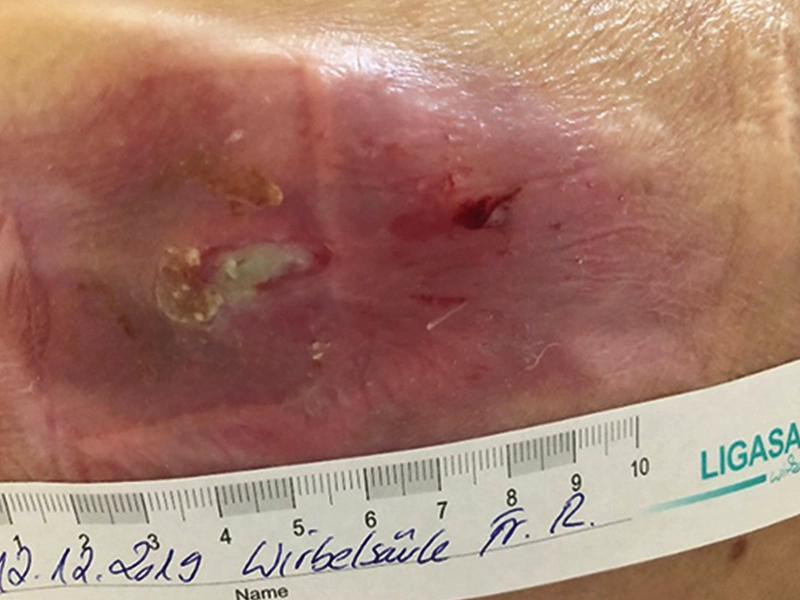
The patient had a stage 2 pressure ulcer in the area of the spinous processes of the thoracic spine. The wound measured 0.8 x 0.6 in (2.0 x 1.5 cm). The wound bed was completely covered with fibrin coatings and showed moderate exudation. The wound edges were irregular and soft. The surrounding skin was parchment-like, scaly, and exhibited significant reddening, suggesting pressure-induced tissue damage, along with diffuse small tissue damages.
Wound treatment:
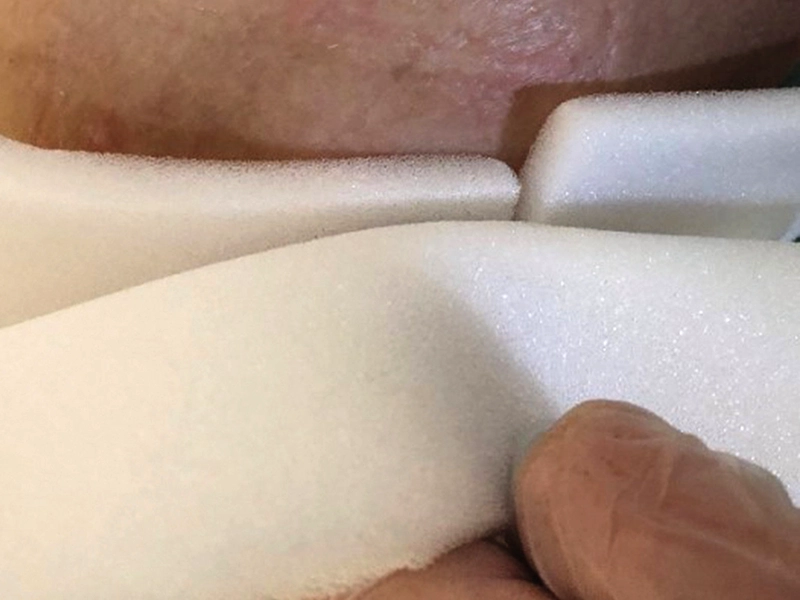
The wound was cleansed using a wound irrigation solution and sterile gauze pads. After cleansing, the wound was covered with two pieces of LIGASANO® White Dressing, each measuring 4 x 4 x 0.4 in (10 x 10 x 1 cm). Starting on December 22, 2019, only one piece of LIGASANO® White Dressing of the same size (4 x 4 x 0.4 in) was needed to cover the wound, as the wound had significantly reduced in size. For additional pressure relief and absorption of excess exudate, a cut piece of LIGASANO® Pressure Relie f Foam White of 0.4 in (1 cm) was used as necessary.
The dressing was fixed with Opsite Flexifix polyurethane film (Smith & Nephew), non-sterile, and secured around the edges. The dressing was changed every three days.
Pressure relief measures:
The patient was positioned on large sheets of non-sterile LIGASANO® Pressure Relief Foam White for additional pressure relief and to allow moisture vapor to escape. The setup involved placing a layer of LIGASANO® Pressure Relief Foam, measuring 23.2 x 19.3 in (59 x 49 cm) with a thickness of 0.8 in (2 cm), in direct contact with the patient. Underneath this layer, a sheet of LIGASANO® Pressure Relief Foam Green, measuring 21.7 x 17.7 in (55 x 45 cm) with a thickness of 0.8 in (2 cm), was used for extra pressure relief and ventilation.
-
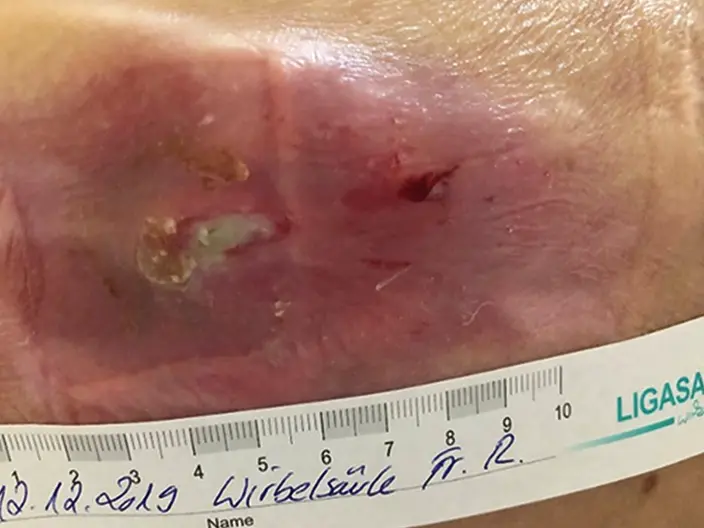
Fig. 1: condition of the wound on December 12, 2019 -
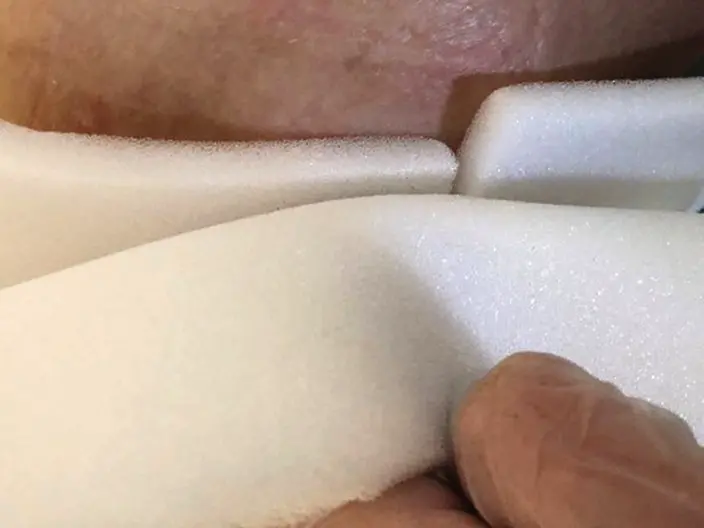
Fig. 2: dressing structure
Wound description as of January 27, 2020:
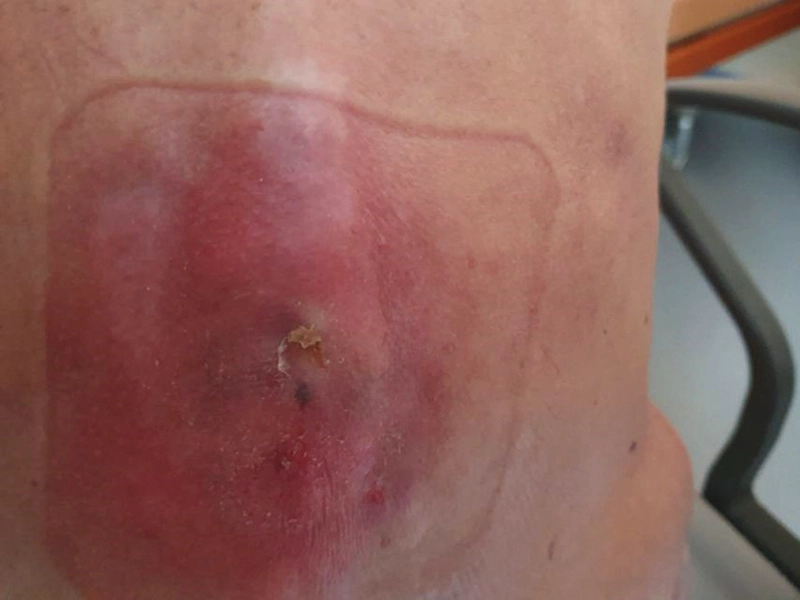
The patient has a pressure ulcer, stage 2, located at the spinous processes of the thoracic spine. The wound measures 0.16 x 0.12 in (0.4 x 0.3 cm). The wound bed consists of granulation and epithelial tissue, while the wound edge is soft. The surrounding wound area shows clearly demarcated redness where it was secured with adhesive tape. Pressure-induced discoloration of the surrounding skin has significantly diminished.
-
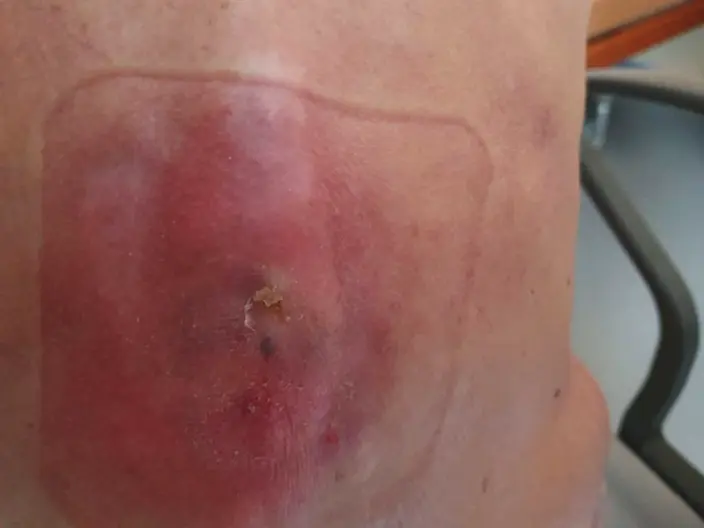
Fig. 3: wound condition on January 27, 2020 -
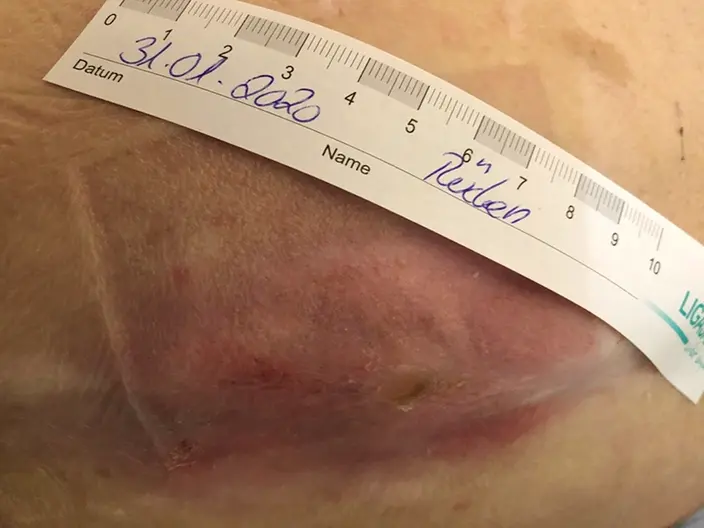
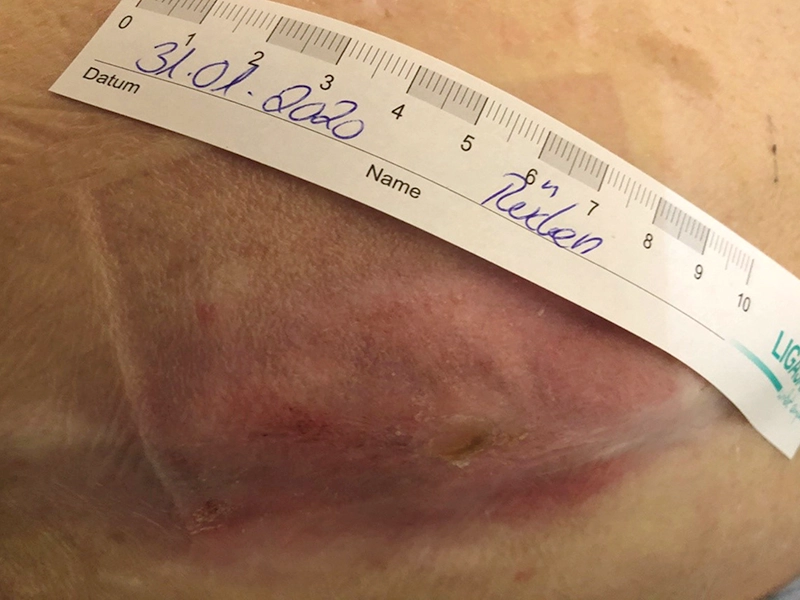
Fig. 4: wound completely healed on January 31, 2020. The area around the wound continues to show discoloration due to pressure.
Continued pressure-relief measures:
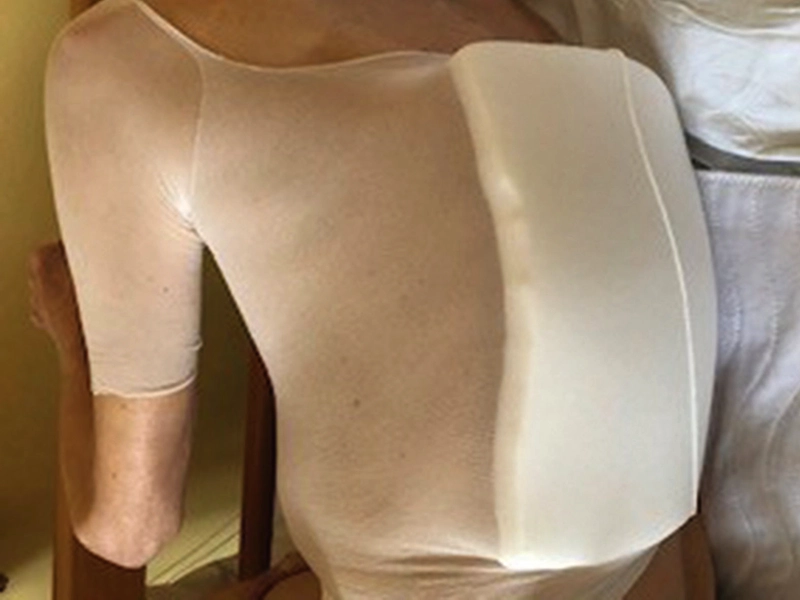
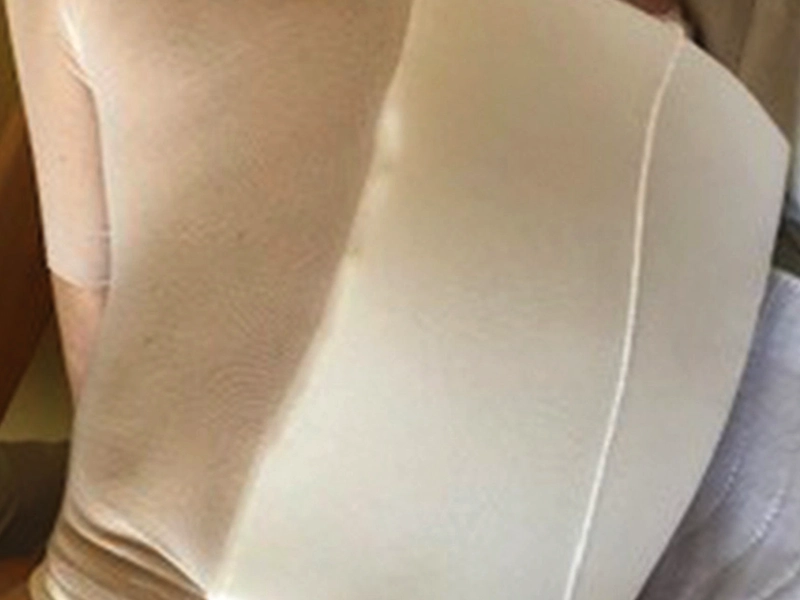
Recurrence prevention involved pressure-relieving measures using LIGASANO® Pressure Relief Foam White, cut to the appropriate size from large sheets measuring 23.2 x 19.3 x 0.8 in (59 x 49 x 2 cm) to prevent recurrences. Fixation was achieved solely with LIGAMED®Fix, which was cut to size as a shirt, allowing for complete elimination of adhesive materials.
-
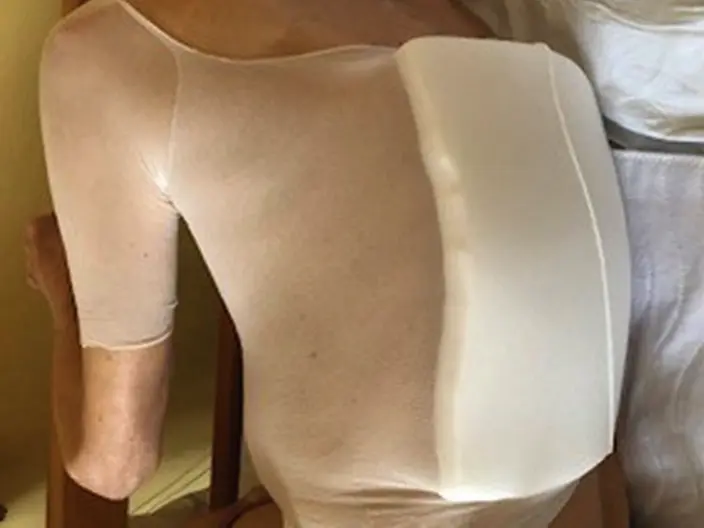
Fig. 5: recurrence prevention with LIGASANO® Pressure Relief Foam White and LIGAMED®fix -
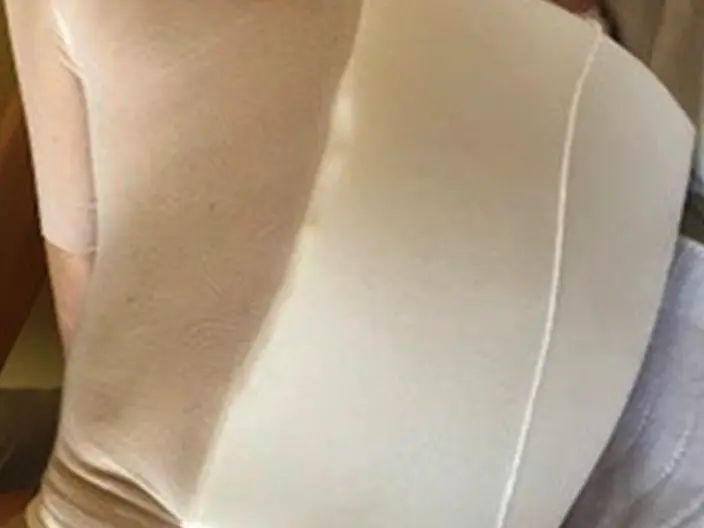
Fig. 6: recurrence prevention with LIGASANO® Pressure Relief Foam White and LIGAMED®fix